
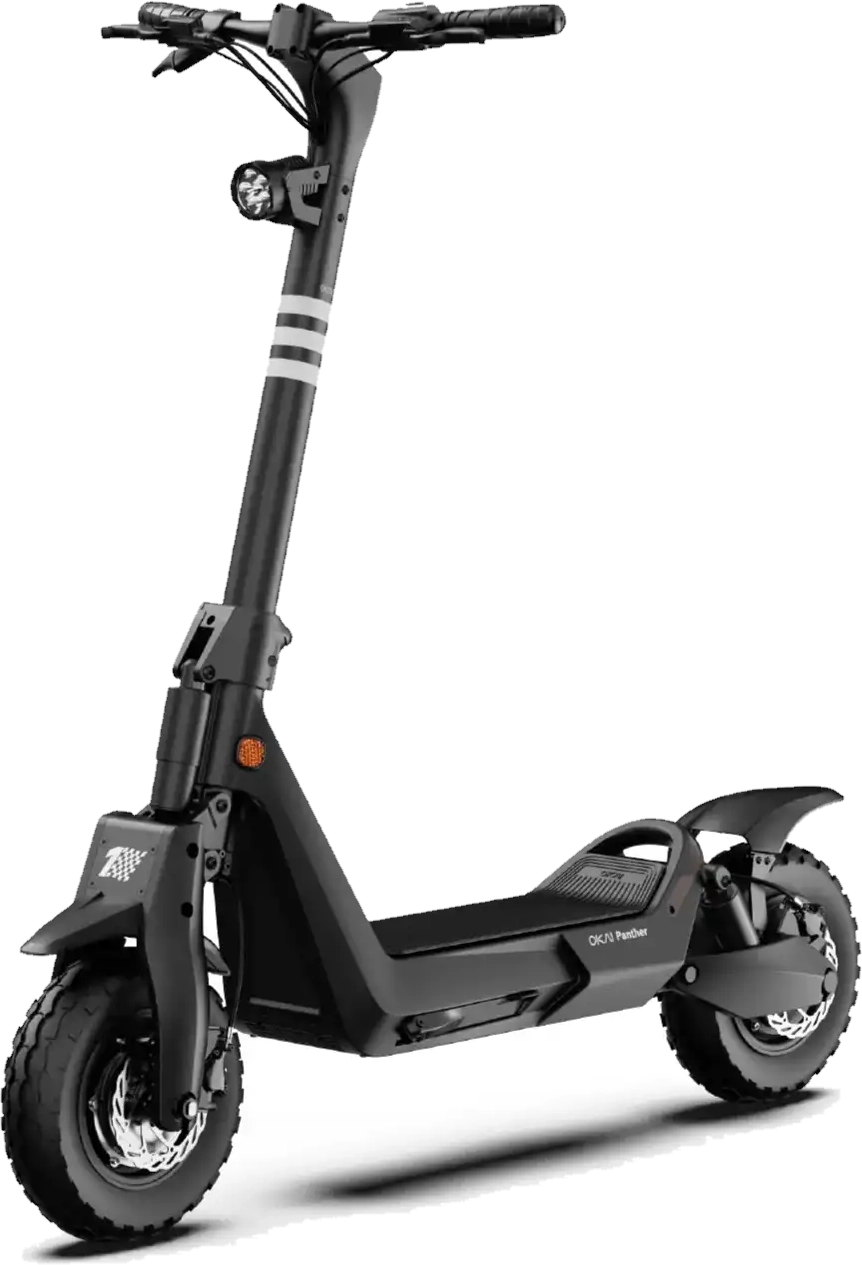
OKAI Panther ES800
Motion
Off-road and mixed-terrain mobility in Costa Rica requires more than top-speed marketing. This guide helps you evaluate electric scooters by route demands, hill behavior, and practical support considerations for demanding usage.
Direct answer
| Model | Best for | Range | Price | Action |
|---|---|---|---|---|
| OKAI Panther ES800 | Hills and steep inclines | 60 km | $1,399.99 | View OKAI Panther ES800 |
| OKAI Neon Ultra ES40 | Hills and steep inclines | 69 km | $699.99 | View OKAI Neon Ultra ES40 |
| OKAI Ranger EB50 | Hills and steep inclines | 72 km | $1,399.99 | View OKAI Ranger EB50 |
| OKAI FlexMov EBF10 | Hills and steep inclines | 95 km | $734.99 | View OKAI FlexMov EBF10 |
OKAI Panther ES800
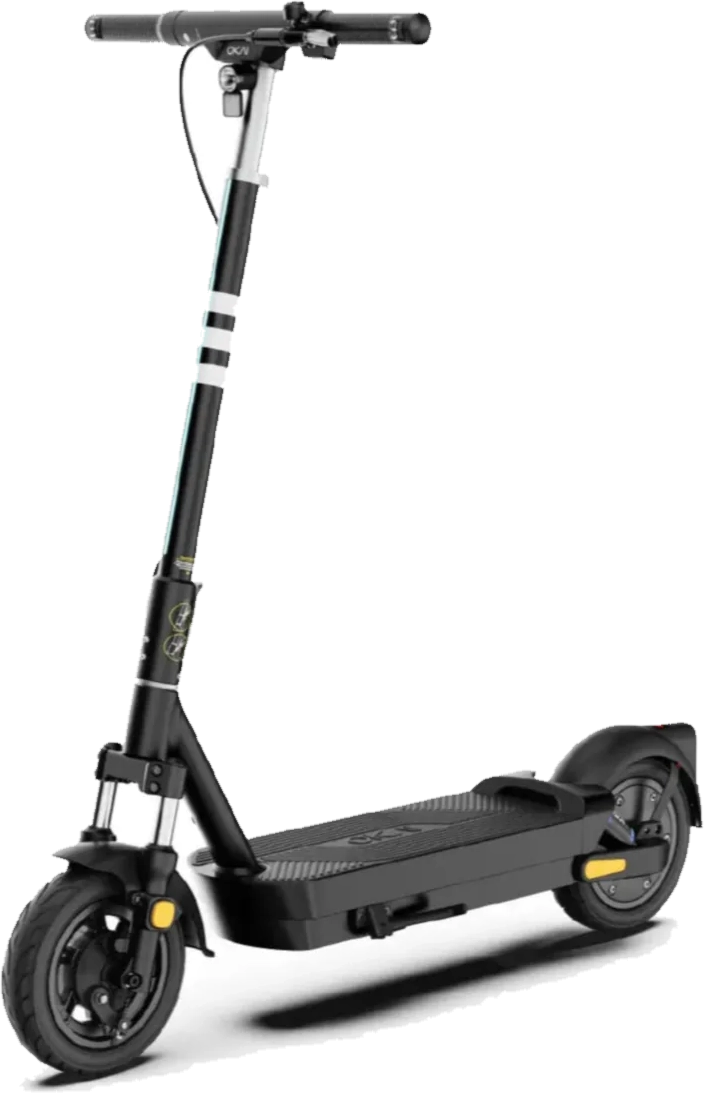
OKAI Neon Ultra ES40
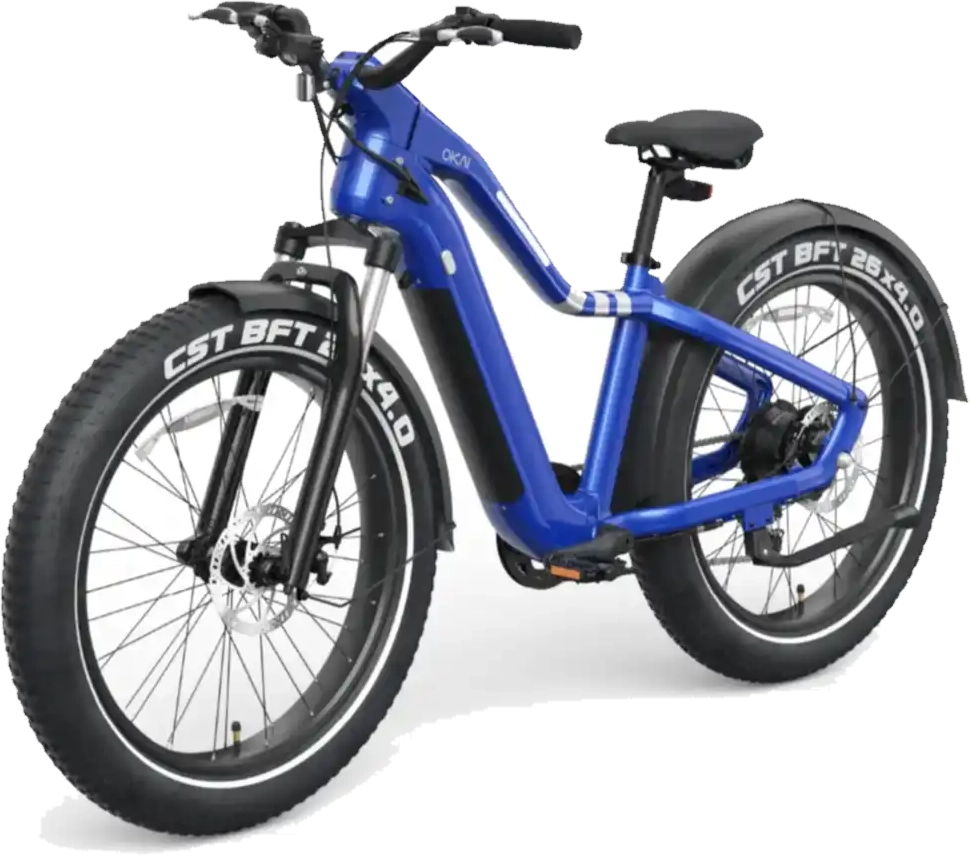
OKAI Ranger EB50
An off road electric scooter should be selected by stability, traction confidence, braking behavior, and motor output under load. Terrain-ready performance is not only about peak numbers. It is about consistency across changing surfaces and elevation.
For Costa Rica buyers, practical fit often includes hill starts, uneven road transitions, and longer sessions in warm conditions. Choosing a model with balanced performance improves both rider confidence and component longevity.
For climbs, focus on motor behavior and control under continuous load. Riders should compare acceleration stability, braking confidence on descents, and thermal consistency during repeated incline segments.
If your route includes steep sections, look for stronger output and robust chassis confidence. A model built for urban flat routes may not deliver the same safety margin on sustained hills.
A dual motor electric scooter can provide stronger hill acceleration and traction confidence in demanding terrain. However, weight and energy consumption can differ from lighter single-motor setups.
The right choice depends on your real route profile. If most rides are moderate urban travel, single motor options can be sufficient. For regular elevation and mixed surfaces, stronger drive systems are often worth the trade-off.
Long range electric scooter claims should be interpreted as benchmark figures. Real range varies with rider weight, slope, speed, and climate. Build a planning margin into route design, especially for tourism operations.
For business deployment, include charging workflow and turnaround timing as part of procurement. This ensures availability and prevents avoidable downtime during operating hours.
Terrain-focused usage can increase maintenance demand compared with light city commuting. Clear support channels, parts access, and periodic check routines become essential in long-term ownership.
Plan periodic checks for tires, brakes, battery condition, and fasteners, especially when routes include hills, rain, or rougher roads.
For tourism operators, the right scooter should combine visual appeal, rider confidence, and practical operating reliability. Consistent braking and predictable handling matter as much as headline power.
Use product comparisons and local pages to align each model with route conditions in Guanacaste, Santa Teresa, and other destination areas.
Prioritize traction, stable braking, and route-matched motor output.
Not always, but frequent steep climbs often benefit from stronger drive setups.
Use published range as benchmark and add margin for slope and payload.
Yes, when matched to route type and supported with service planning.
Yes, use filters and compare module before purchase.
Warranty flow, parts availability, and service response process.