Quick answer
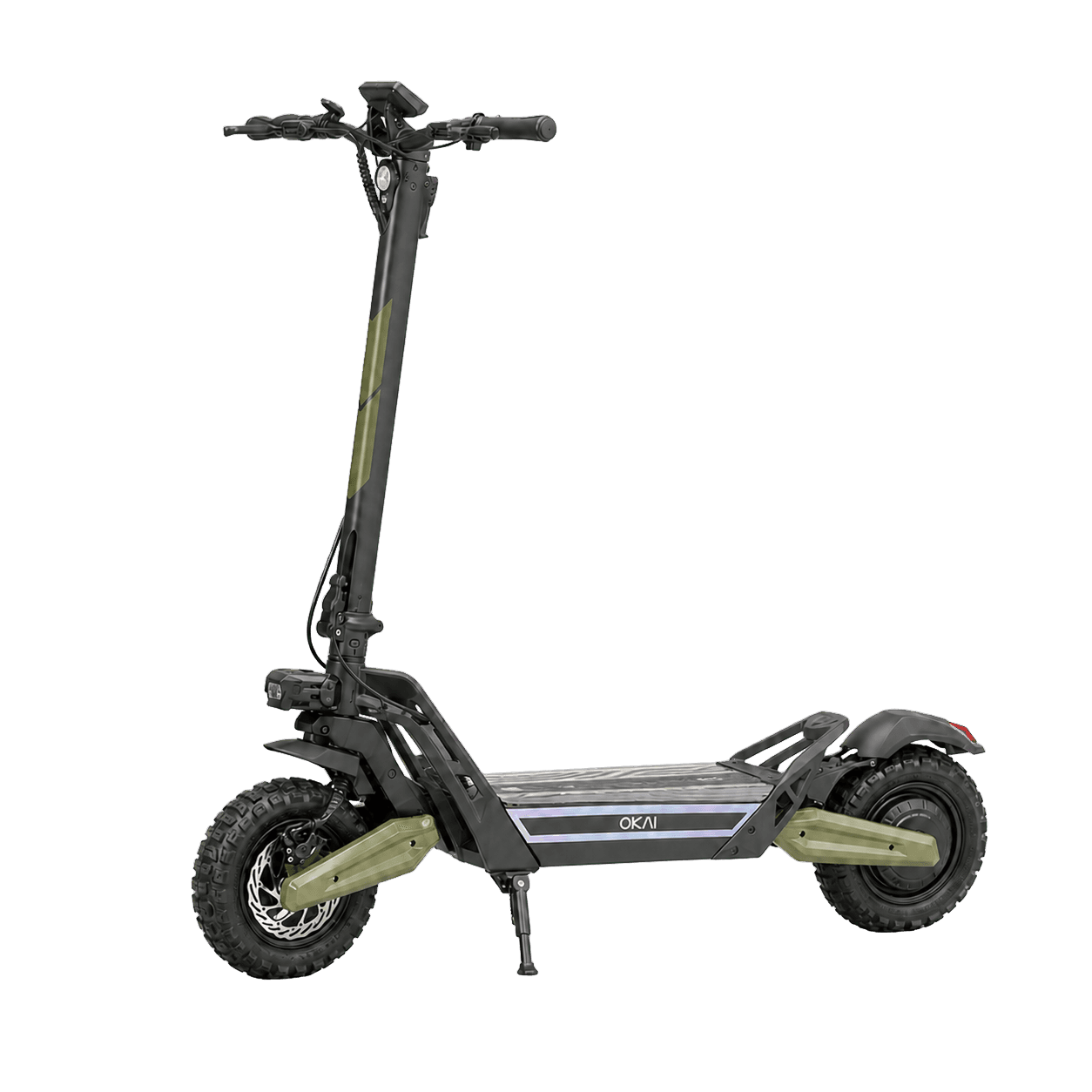
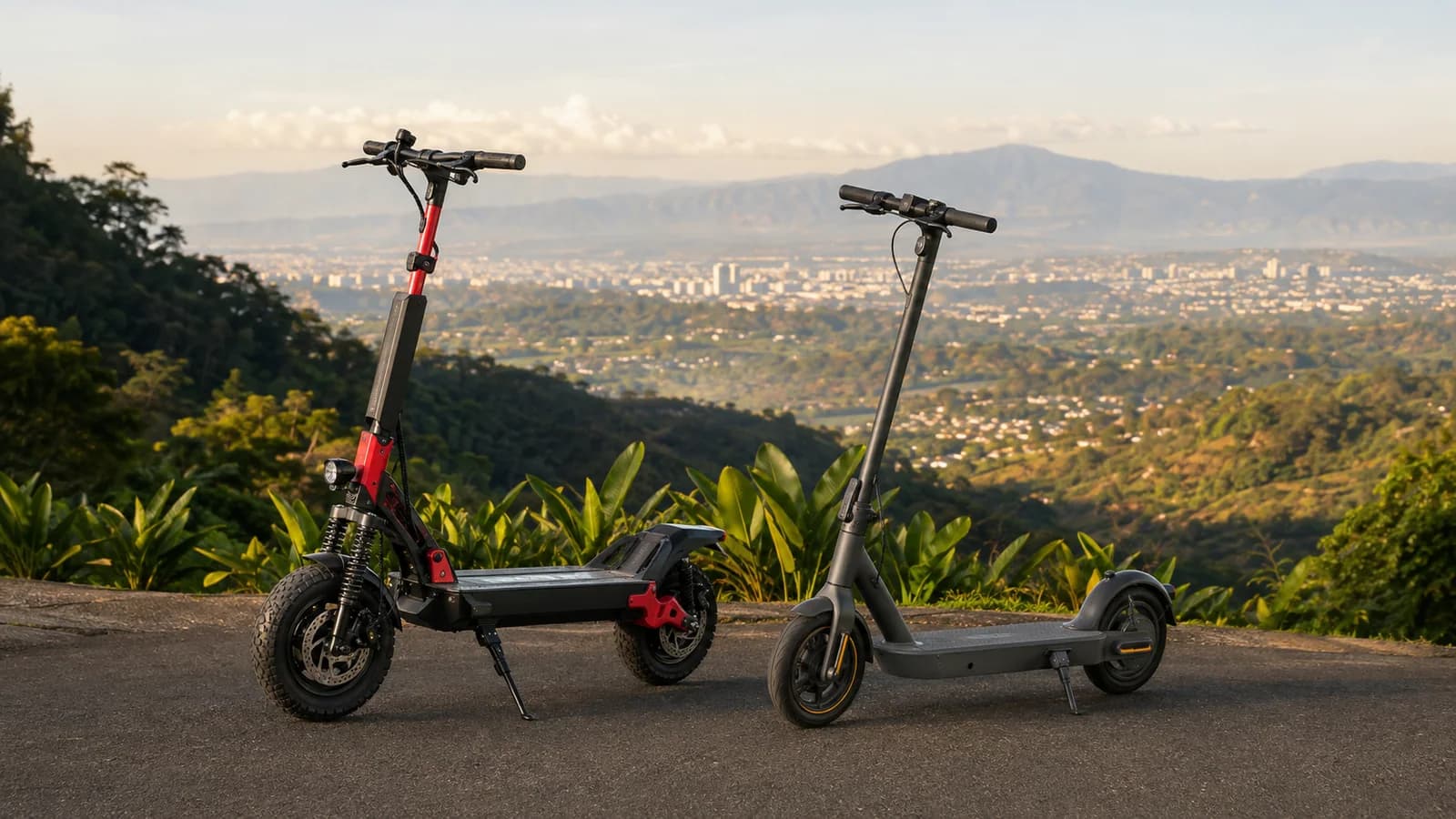
A useful OKAI versus Xiaomi comparison for Costa Rica starts with route fit rather than brand loyalty. The ESM4 and Scooter 6 Pro target different priorities, so published power, suspension, range, carrying weight, parts and support must be read together.
Key takeaways
- OKAI vs Xiaomi Costa Rica: local buying guide
- Quick verdict
- Published specifications
- Hills, rain and rough roads
OKAI vs Xiaomi Costa Rica: local buying guide
A useful OKAI versus Xiaomi comparison for Costa Rica starts with route fit rather than brand loyalty. The ESM4 and Scooter 6 Pro target different priorities, so published power, suspension, range, carrying weight, parts and support must be read together.
Costa Rica adds elevation, patched pavement, tropical rain and storage constraints that are often absent from global reviews. A buyer should map the hardest regular climb and the most common surface before treating any laboratory maximum as a daily result.
Motion sells OKAI and states that affiliation. Xiaomi remains a credible urban alternative with an official local retail channel. The goal is a documented shortlist, not a claim that one brand wins every route.
Quick verdict
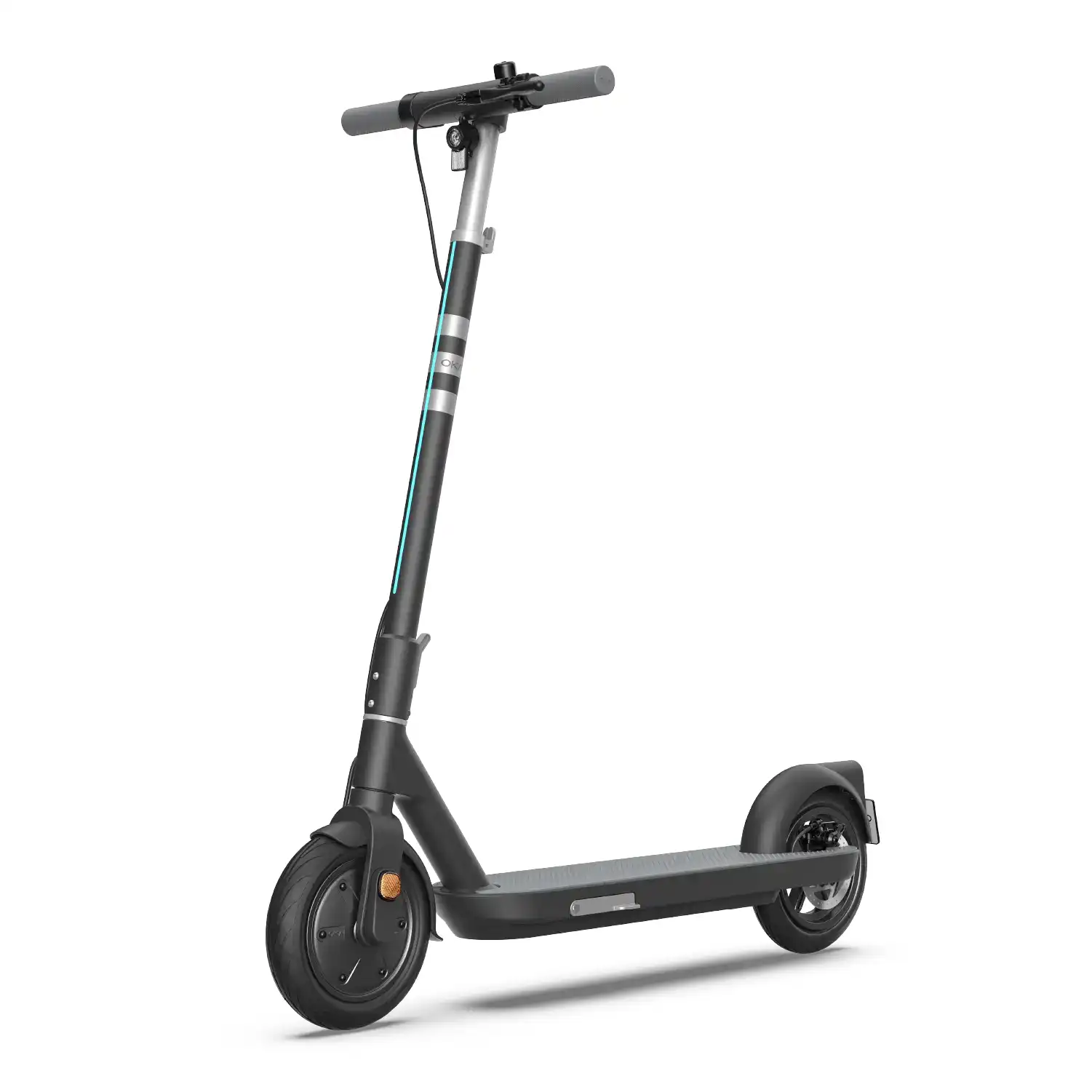
The Xiaomi Scooter 6 Pro is a polished urban option; the OKAI ESM4 is aimed at steeper, rougher and mixed-surface routes. Choose for your actual route rather than one headline range number.
Motion sells OKAI, so this comparison discloses that affiliation and links to Xiaomi’s public Costa Rica listing for independent verification.
Related reading
Published specifications
Figures below were checked on September 4, 2026. Manufacturer range is a maximum under test conditions, not a guaranteed Costa Rica result.
Comparación
Comparison table
| Criterion | OKAI ESM4 | Xiaomi Scooter 6 Pro |
|---|---|---|
| Focus | Mixed-surface riding | Urban commuting |
| Published power | Up to 1,600 W peak | 400 W nominal / 1,000 W maximum |
| Published maximum range | Up to 50 km | Up to 70 km |
| Suspension | Dual suspension | Front dual-spring + central rear |
| Observed price | USD 495 before tax at Motion | ₡339,900 at Xiaomi Store CR |
Hills, rain and rough roads
Peak power is only one hill variable. Controller tuning, traction, rider load, battery state and climb length matter too. Slow down on wet roads and avoid deep water regardless of model.
Real-world range
Plan the round trip with reserve. Do not treat two manufacturer maximums as if they came from the same route, rider weight and test protocol.
Price and support
Compare tax, delivery, safety gear, consumables, warranty process and parts availability. Downtime has a cost even when the purchase price looks lower.
Related reading
Which one should you choose?
Choose ESM4 for frequent hills and mixed surfaces. Choose Xiaomi 6 Pro for mostly urban riding and the Xiaomi retail ecosystem. Confirm the live offer and delivery terms before paying.
Local use cases by rider profile
A daily commuter in San Jose or Escazu usually needs predictable range, strong lights, compact storage and brakes that feel calm in traffic. This buyer should not overpay for off-road features if the route is mostly pavement, but should still avoid underpowered models if the commute includes elevation. The best setup is the one that can be carried, parked and charged without turning every workday into a logistics problem.
A beach-town rider in Santa Teresa, Tamarindo or Nosara has a different problem. Sand, salt air, rain, dust and uneven access roads make cleaning and tire choice more important. For this rider, comfort, corrosion-aware maintenance and secure overnight storage can matter more than top speed. A vehicle used for short repeated errands may age faster than expected if it is stored wet or left outside near the ocean.
A digital nomad or expat often needs one vehicle to do many jobs: cafe runs, groceries, gym, coworking, restaurant trips and weekend exploration. That profile benefits from balanced range, a comfortable riding position and easy access to service. A vehicle that looks exciting online but is hard to repair locally can become a poor ownership experience after the first issue.
Real cost of ownership
The real cost of an electric scooter or e-bike is not only the purchase price. It includes charging, tires, brake pads, tubes or sealant, accessories, storage, cleaning time and occasional service. In Costa Rica, it also includes the cost of choosing a vehicle that can handle your terrain without constant strain. A cheaper model that struggles on hills can become expensive through frustration, battery stress and early repairs.
Charging is usually inexpensive compared with fuel, but battery health is valuable. Good charging habits, dry connectors, proper storage and avoiding unnecessary deep discharges can extend useful life. Riders who treat the battery as the most expensive component make better decisions about rain, heat and daily charging.
Accessories are part of ownership, not optional decoration. A helmet, lock, lights, phone holder, tire pump and proper charger setup can make the vehicle safer and more practical. For businesses, spare chargers and a simple inspection checklist can reduce downtime and improve customer experience.
Comparación
Comparison table
| Cost area | What to ask | Why it matters |
|---|---|---|
| Battery | How should it be charged and stored? | Battery health affects long-term value. |
| Tires | Are replacements available locally? | Road conditions make tire support important. |
| Brakes | How often should they be checked? | Hills and rain increase brake demand. |
| Accessories | What is needed for daily use? | Safety and convenience improve adoption. |
Decision framework for Costa Rica conditions
A strong buying decision uses the same framework whether the article is about scooters, e-bikes, range, rain season or fleets: match the route first, then match the vehicle. Costa Rica roads make this especially important because one route can include clean pavement, steep climbs, broken edges, rain runoff and tight parking.
Use the table below as a practical checklist. If one row feels especially relevant to your daily life, give that factor more weight than a generic online ranking.
Comparación
Comparison table
| Question | Why it matters | Best action |
|---|---|---|
| Is your route hilly? | Hills increase battery draw and braking demand. | Prioritize torque, brakes and battery margin. |
| Will you ride in rain season? | Wet roads increase risk and maintenance needs. | Choose good tires and build a drying routine. |
| Do you have local service? | Parts and support keep the vehicle useful. | Ask about tires, brakes, chargers and warranty. |
| Is storage limited? | A vehicle you cannot store safely will not be used daily. | Choose foldability or compact parking if needed. |
Common mistakes to avoid
The first mistake is buying for maximum speed when the real problem is hills, comfort or service. Top speed is easy to compare, but it rarely decides whether a vehicle works well in Costa Rica. A stable scooter with better brakes can be more useful than a faster scooter that feels nervous on rough pavement.
The second mistake is trusting advertised range without route context. Range numbers are helpful as a baseline, but hills, rider weight, tire pressure and speed change the result. Buyers should estimate the hardest regular route and keep a reserve instead of planning to drain the battery every day.
The third mistake is ignoring weather. Rain season does not make electric mobility impossible, but it punishes careless charging, wet storage and pressure washing. Riders who build a two-minute post-ride routine avoid many preventable problems.
- Do not compare by top speed alone.
- Do not assume water resistance means deep-water riding.
- Do not buy without asking about local parts.
- Do not plan daily trips with zero battery reserve.
What shoppers usually miss
Many shoppers compare vehicles by speed, advertised range and price. Those numbers matter, but they are incomplete. In Costa Rica, the hidden variables are slope, rain habits, tire availability, brake wear, storage and service response time.
A vehicle with slightly less headline range but better local support can be a better purchase than a model with impressive specs and no clear parts path. The same is true for accessories: a good lock, helmet, pump or spare charger can make the difference between occasional use and daily use.
Helpful links are part of the buying journey. Readers should be able to move naturally from an informational article to a category page, comparison page or maintenance page without feeling pushed.
Final buying advice
The best electric mobility decision in Costa Rica is rarely the cheapest option on the page. It is the option that still feels right after three months of hills, rain, errands, charging, storage and maintenance. That is why this guide focuses on local conditions instead of generic rankings.
Before buying, write down your real weekly route, the steepest climb, the longest ride, where you will charge, where you will store the vehicle and how quickly you need service if something goes wrong. With that information, choosing between electric scooters, e-bikes and accessories becomes much easier.
For deeper shopping help, compare the product categories, read the maintenance guides and use local support before committing. Costa Rica is an excellent market for electric mobility, but the winning setup is always the one matched to terrain.
- Choose for your hardest weekly route, not your easiest ride.
- Keep battery margin for hills, rain detours and rider weight.
- Ask about local service before comparing final price.
- Use accessories and maintenance as part of the total cost of ownership.