
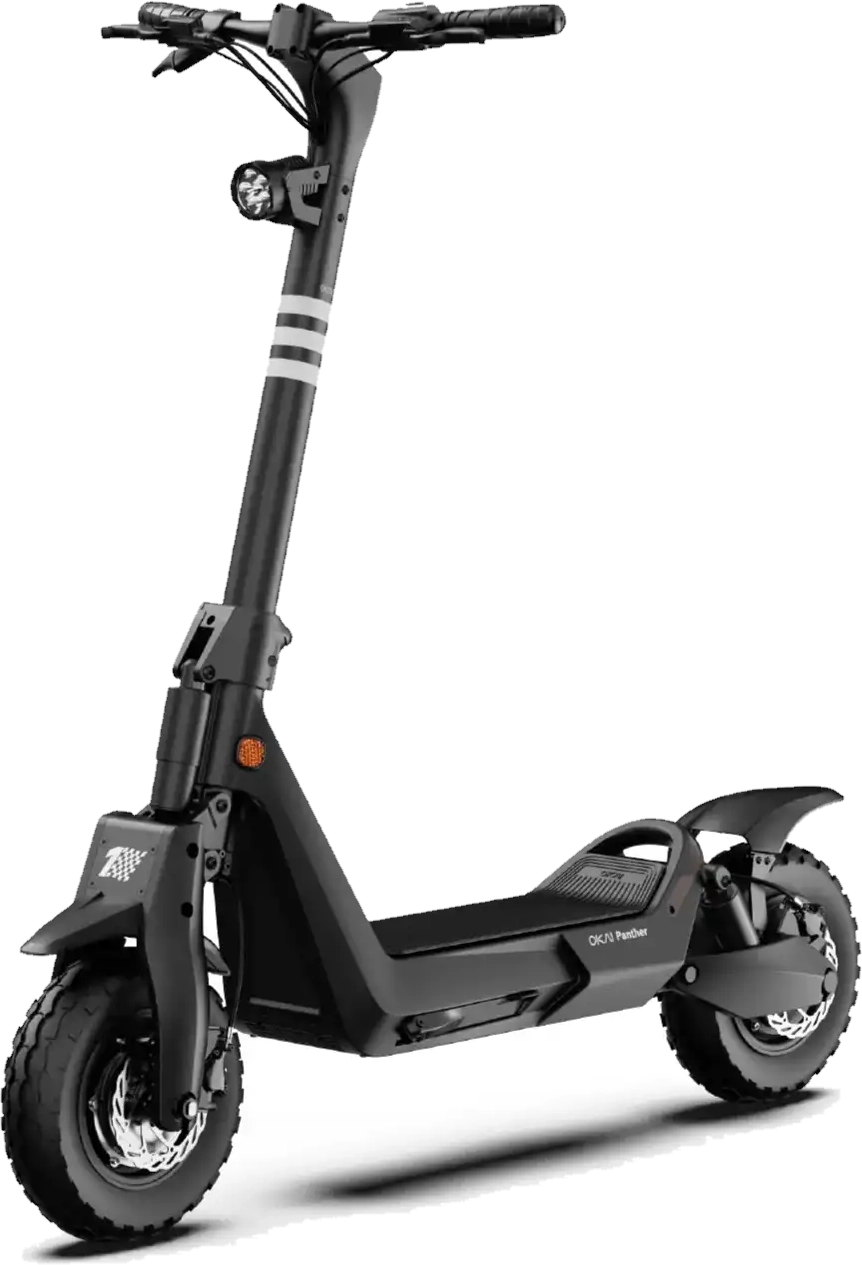
OKAI Panther ES800
Motion
For Costa Rica hills, the right electric scooter is not just fast. It needs enough torque for starts, stable braking on descents, battery reserve, tire grip, and a service plan that keeps the scooter reliable.
Direct answer
| Model | Best for | Range | Price | Action |
|---|---|---|---|---|
| OKAI Panther ES800 | Escazu and Santa Ana hills | 60 km | $1,399.99 | View OKAI Panther ES800 |
| OKAI Neon Ultra ES40 | Escazu and Santa Ana hills | 69 km | $699.99 | View OKAI Neon Ultra ES40 |
| OKAI Ranger EB50 | Escazu and Santa Ana hills | 72 km | $1,399.99 | View OKAI Ranger EB50 |
| OKAI FlexMov EBF10 | Escazu and Santa Ana hills | 95 km | $734.99 | View OKAI FlexMov EBF10 |
OKAI Panther ES800
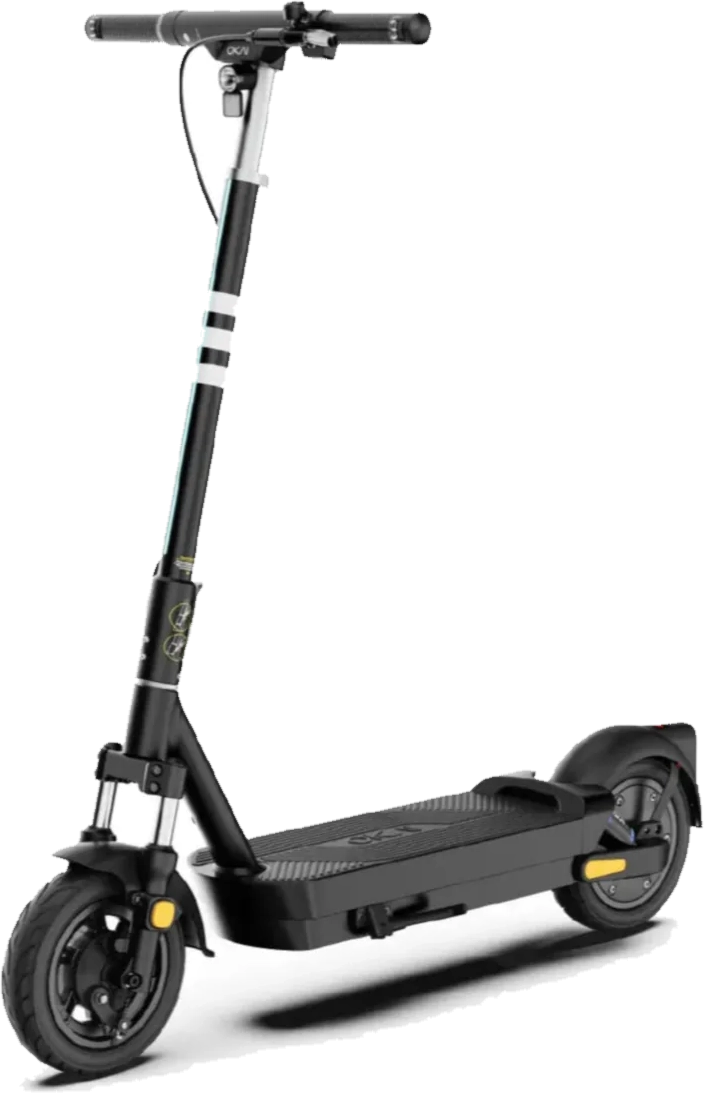
OKAI Neon Ultra ES40
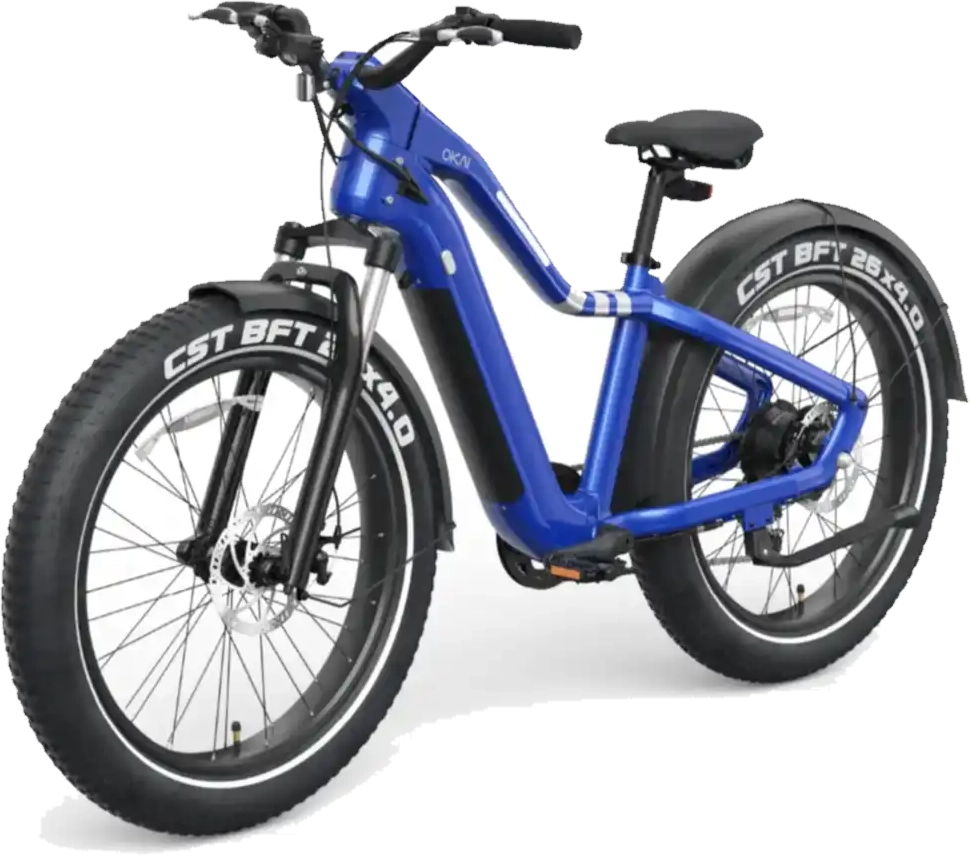
OKAI Ranger EB50
Hill-ready scooters should be evaluated by motor behavior under load, rider payload, braking feel, tire contact, thermal consistency, and range loss on repeated climbs. A model that feels quick on flat pavement may be the wrong fit for Escazu or Santa Ana hills.
For steep routes, keep a larger battery reserve than you would on flat ground. Climbing uses more energy, and downhill segments make braking quality just as important as acceleration.
Escazu, Santa Ana, parts of San Jose, Cartago, Grecia, Perez Zeledon, and routes toward mountain viewpoints can punish underpowered scooters. The best model is the one that matches grade, rider weight, daily distance, and charging access.
If your route includes steep starts, wet descents, or repeated climbs, prioritize power, brakes, suspension, and tire condition before cosmetic features.
Yes, but only when the model has enough torque, braking, battery margin, and tire grip for the rider and route.
Not always. Moderate hills may be fine with a strong single motor, but frequent steep climbs often benefit from dual motor power.
Motor output matters, but brakes, payload, tire grip, and battery reserve are just as important.