
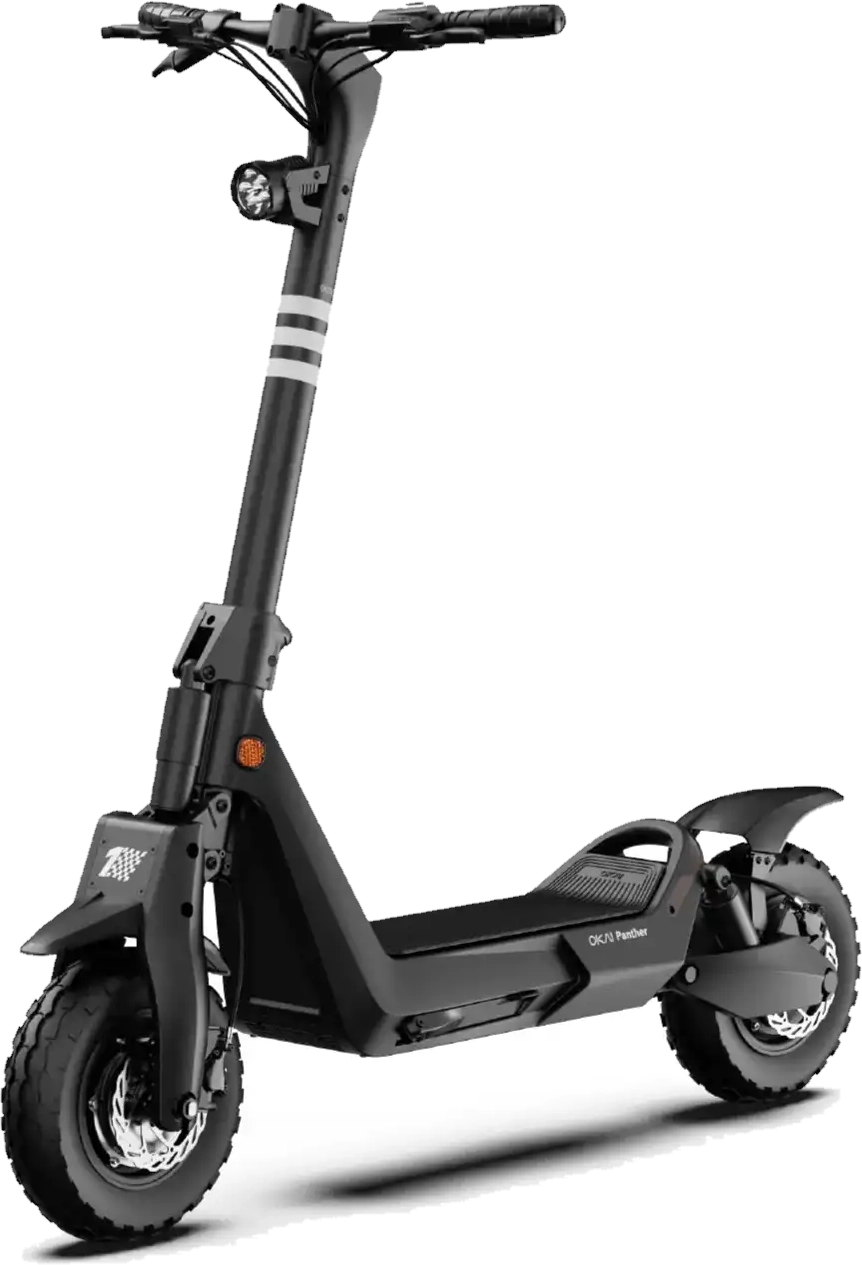
OKAI Panther ES800
Motion
Rain season changes electric scooter ownership. The key is not pretending scooters are waterproof; it is choosing water-resistant hardware and using safer habits for riding, drying, charging, and storage.
Direct answer
| Model | Best for | Range | Price | Action |
|---|---|---|---|---|
| OKAI Panther ES800 | Rainy season commuters | 60 km | $1,399.99 | View OKAI Panther ES800 |
| OKAI Neon Ultra ES40 | Rainy season commuters | 69 km | $699.99 | View OKAI Neon Ultra ES40 |
| OKAI Ranger EB50 | Rainy season commuters | 72 km | $1,399.99 | View OKAI Ranger EB50 |
| OKAI FlexMov EBF10 | Rainy season commuters | 95 km | $734.99 | View OKAI FlexMov EBF10 |
OKAI Panther ES800
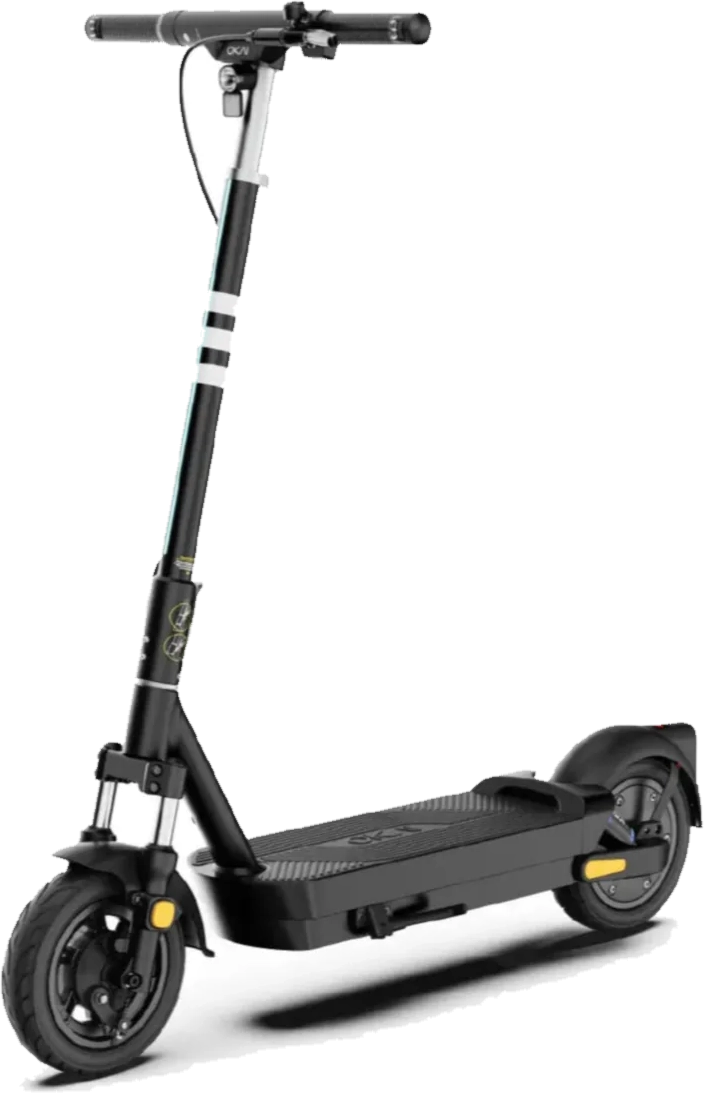
OKAI Neon Ultra ES40
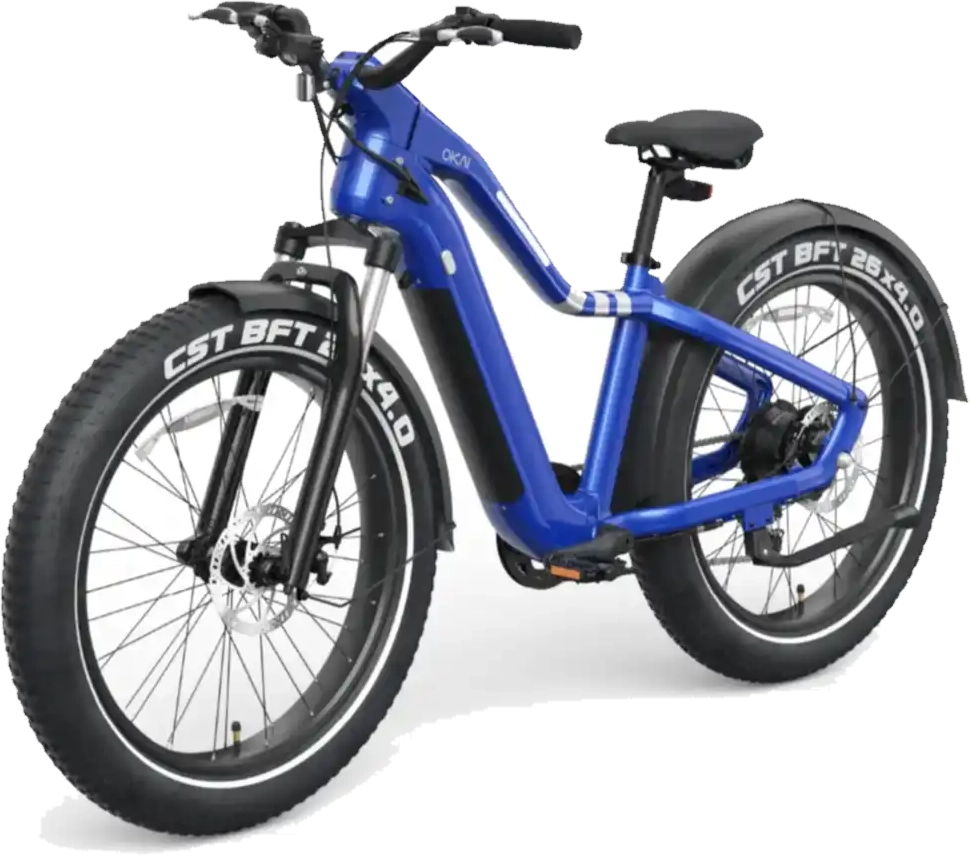
OKAI Ranger EB50
Most electric scooters are water resistant, not waterproof. That means light rain and wet pavement can be manageable with the right care, but deep puddles, pressure washing, flooded roads, and wet charging are avoidable risks.
Before buying, check water-resistance details, tire condition, braking behavior, fender coverage, warranty terms, and whether local service can help after exposure.
After wet rides, dry the scooter, avoid charging until ports and connectors are dry, inspect tires and brakes, and store it under cover. Slow down on painted lines, metal covers, mud, leaves, and steep wet descents.
For daily commuters, rainy-season reliability comes from routine: pressure checks, brake checks, cleaning, and fast attention to unusual sounds or reduced braking confidence.
No, most are water resistant, not waterproof. Avoid deep water, pressure washing, and charging when the scooter is wet.
Yes, in light rain or wet roads with caution, slower speeds, good tires, and proper drying afterward.
Dry the scooter, check brakes and tires, keep charging ports dry, and store it under cover.