
Quick answer
Total cost includes the vehicle, helmet and lock, tires and brakes, electricity, parts, service transport and downtime while a part is sourced. Build normal-use, heavy-use and major-repair scenarios instead of trusting one universal number.
Key takeaways
- Quick answer: purchase price is only one line
- First-year budget
- Warranty is not free maintenance
- Battery, parts and downtime
Quick answer: purchase price is only one line
Total cost includes the vehicle, helmet and lock, tires and brakes, electricity, parts, service transport and downtime while a part is sourced. Build normal-use, heavy-use and major-repair scenarios instead of trusting one universal number.
First-year budget
Use current local quotes, not old estimates.
Comparación
Comparison table
| Cost line | When it appears | Confirm before buying |
|---|---|---|
| Safety gear | At purchase | Helmet, lights and lock |
| Tires and brakes | By use and terrain | Size, stock and labor |
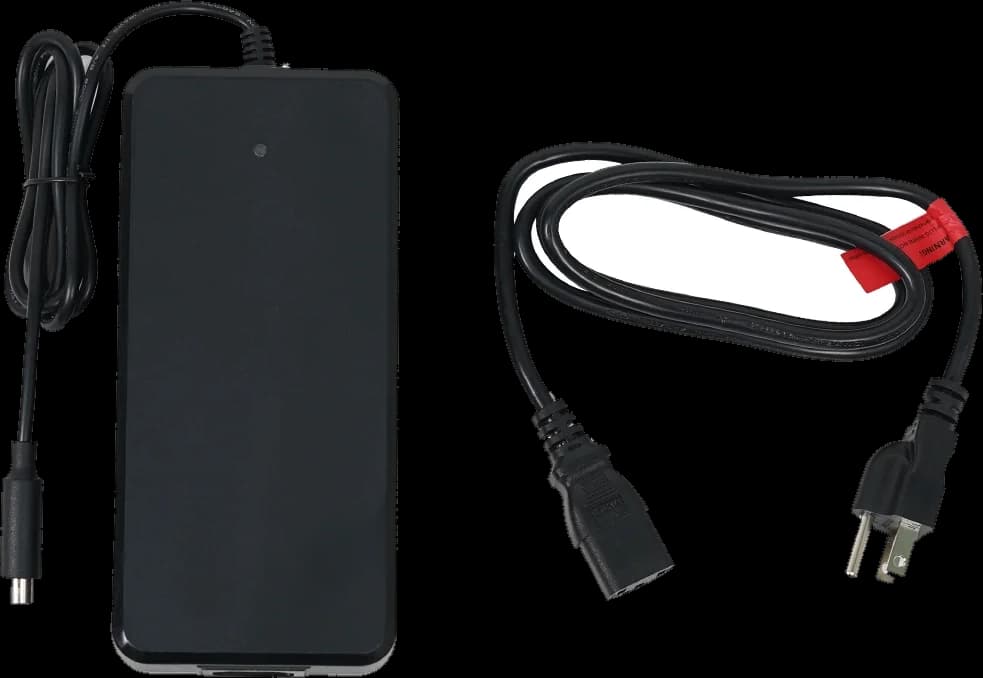
| Charger | Replacement or spare | Voltage, current, connector and model |
| Battery | Long-term event | Compatibility, price and warranty |
| Service | Preventive or diagnostic | Process and expected timing |
Related reading
Warranty is not free maintenance
Read the current policy and keep the invoice, serial number and evidence. Normal wear, impact, out-of-spec water exposure, modifications and incompatible chargers may be handled differently from a manufacturing defect. Ask what applies to the battery, motor, controller, wear parts and labor.
Battery, parts and downtime
Battery care, compatible charging and dry storage protect one of the highest-value components. Charger, tire, tube and brake-part availability also reduces downtime—a real operational cost for commuters and fleets.
Related reading
Pre-purchase checklist
Confirm live availability, preorder status, delivery timing, applicable warranty and compatible consumables. Compare the locally serviceable option against the cheapest sticker price.
Build an ownership budget, not a decorative number
Total cost works best as a living worksheet. Record purchase price, safety equipment, delivery, financing when relevant, consumables and service. Add columns for frequency and evidence—a dated quote, invoice or published price. This prevents treating every expense as monthly while also ignoring infrequent but meaningful events.
Separate predictable costs from contingencies. Electricity is recurring; a complete battery replacement is a long-term event that may not occur within the analysis period. Tires and brakes depend on terrain, pressure, riding style and mileage. One universal figure without assumptions creates false precision. Any local range should be dated and refreshed when price or inventory changes.
Initial costs that protect the purchase
Start with an appropriate helmet, lock, visibility and a safe way to check tire pressure. Gloves, a phone mount or bag may fit some routes, but they should not displace safety essentials. If the scooter needs setup, confirm which assembly and checks are included.
Include delivery and dry storage. Apartment riders should verify elevator dimensions, turning space and building rules. Coastal owners need a ventilated storage area and cleaning routine. These choices are small beside the vehicle price but strongly affect how often it can be used.
Preventive maintenance versus reactive repair
Prevention cannot eliminate every failure, but it can find incorrect pressure, brake wear, loose hardware, cable damage or moisture before a larger stop. Set a quick weekly check and a deeper inspection based on the manual, use and service guidance. There is no honest universal interval: a hotel fleet and a weekend rider wear parts differently.
Reactive repair begins after noise, vibration, weak braking, abrupt range loss or visible damage appears. Continued use may expand the problem and affect safety. Budget for diagnosis and transport, not only the part. Ask whether labor is included and how long availability confirmation normally takes.
Read the warranty before you need it
Keep the invoice, serial number, delivery date and relevant communication. Identify who processes a claim, where the unit goes and what evidence is required. Separate manufacturer warranty, seller terms and any added service. The current purchase document controls; a blog summary cannot replace it.
Ask about the battery, motor, controller, display and frame, along with exclusions for wear, impact, modifications, out-of-spec water exposure or unapproved chargers. Photograph the vehicle before sending it for review. A clear workflow turns support into a measurable ownership factor.
Downtime: the cost most comparisons miss
Waiting for a part is inconvenient for a recreational rider. For a commuter or hotel fleet, the same days can mean alternative transportation, lost service or lower availability. Record inactive days and cause. The pattern shows whether model selection, parts planning or maintenance should change.
Critical spares depend on the operation. A fleet may justify spare chargers, tubes or wear items; an individual may only need confirmed local access. Buying parts without diagnosis is not efficient either. The goal is preventing predictable stops through verified compatibility and a clear service channel.
Three scenarios for comparing two models
A normal scenario includes preventive care and expected wear. A heavy-use scenario increases mileage, rain, elevation and inspection frequency. A contingency scenario adds diagnosis, transport and a major repair without pretending it will definitely happen. Use identical assumptions and time horizons for both models.
Do not mix currencies, taxes or periods. Date each price and state whether labor is included. Mark unconfirmed figures as pending instead of guessing. That transparency keeps the worksheet useful when conditions change.
Financial and operational checklist before payment
Finish with documented answers rather than a general impression.
- Final price, taxes, delivery and live inventory status.
- Helmet, lock and essential accessories.
- Applicable warranty and claim workflow.
- Price and access for charger, tires, tubes and brakes.
- Diagnosis, labor and transport process.
- Dry charging and storage location.
- Expected ownership period and a reasonable contingency reserve.
Practical examples: daily commuter, recreational owner and small business
A daily commuter values availability and downtime because a stopped scooter creates alternative transportation cost. A recreational owner may tolerate a longer wait but still needs safe storage and maintenance. A small business must add staff training, pre-shift inspection, justified spare parts and a record for every unit.
The same model can produce very different ownership costs across those profiles. Mileage, elevation, rider count and charging discipline change the result. The worksheet should describe the operating case, not only the product. Shared equipment also needs named responsibility for pressure, charging, cleaning and damage reporting.
Estimate energy cost without creating false precision
Use battery energy from reliable documentation and the current electricity tariff that applies to the charging location. Account for charging losses and avoid treating battery capacity as identical to energy drawn from the wall. If either input is uncertain, present a range and list the assumption rather than publishing a confident total.
Energy is only one part of ownership and is often smaller than downtime, wear or a major component. Do not use a low charging estimate to imply that maintenance is free. Compare electricity against the transportation alternative over the same distance and period, while recognizing that route, traffic and utility differ.
Review the ownership record every quarter
Refresh parts prices, inventory, inactive days and completed maintenance. Compare forecast with actual results without blaming every variation on the vehicle. Impact damage is not normal wear, and a logistics delay does not prove a model defect.
Quarterly review can expose expensive habits: repeated low pressure, damp charging or delayed brake checks. Fixing the process may reduce cost before any component is replaced. Fleets should compare units by route and rider context so one average does not hide a recurring operational issue.
When a higher purchase price can be the lower-cost decision
A higher price may be rational when it buys route-appropriate capability, common local consumables, clear warranty handling or lower downtime. It is not automatically better. The benefit must connect to a documented need and remain meaningful over the ownership horizon.
Likewise, the least expensive model can be excellent for a short, flat route with easy storage and readily available parts. Total cost analysis is not a reason to overspend. It is a method for making support, safety and time visible alongside the sticker price.
Questions to document in the final ownership worksheet
Record who will ride, the weekly distance, the hardest surface, charging location and expected ownership period. Add the current purchase quote, included equipment and the date on which parts availability was checked. For every cost, state whether it is confirmed, estimated or a contingency. This simple labeling prevents a planning range from being mistaken for an invoice.
The final decision should also name the alternative being compared: another scooter, an e-bike, public transportation, taxis or continued car use. Compare the same period and route. Include convenience and downtime without inventing a monetary value when none can be supported. A transparent worksheet is more useful than a precise-looking total built from weak assumptions.
Continue to the next decision
These guides separate model choice, ownership cost and maintenance so you can compare without duplicating criteria.
Related reading