
In this article
Quick answer
The Formula G3 and OKAI ESM4 both sit above entry-level commuter scooters. Each lists an 800W motor, front and rear suspension, and disc brakes on both wheels. Their priorities are different: the G3 is lighter and advertised as locally available, while the ESM4 is built around a larger battery, more detailed performance data, and an all-terrain chassis.
Key takeaways
- ESM4: larger battery and stronger documented capability.
- G3: lower weight and advertised local availability.
- Both: confirm warranty, parts, assembly, and delivery in writing.
- Manufacturer range figures are maximums, not guaranteed daily range.
La decisión
G3 or ESM4: the short answer for Costa Rica
The Formula G3 and OKAI ESM4 both sit above entry-level commuter scooters. Each lists an 800W motor, front and rear suspension, and disc brakes on both wheels. Their priorities are different: the G3 is lighter and advertised as locally available, while the ESM4 is built around a larger battery, more detailed performance data, and an all-terrain chassis.
The G3 was advertised at ₡225,000 in the dated source used by this guide. The ESM4 full price is $709.99 before IVA. Confirm current prices, stock and delivery before comparing the two models.
- ESM4: larger battery and stronger documented capability.
- G3: lower weight and advertised local availability.
- Both: confirm warranty, parts, assembly, and delivery in writing.
- Manufacturer range figures are maximums, not guaranteed daily range.
El rival
Formula G3: a well-equipped urban scooter
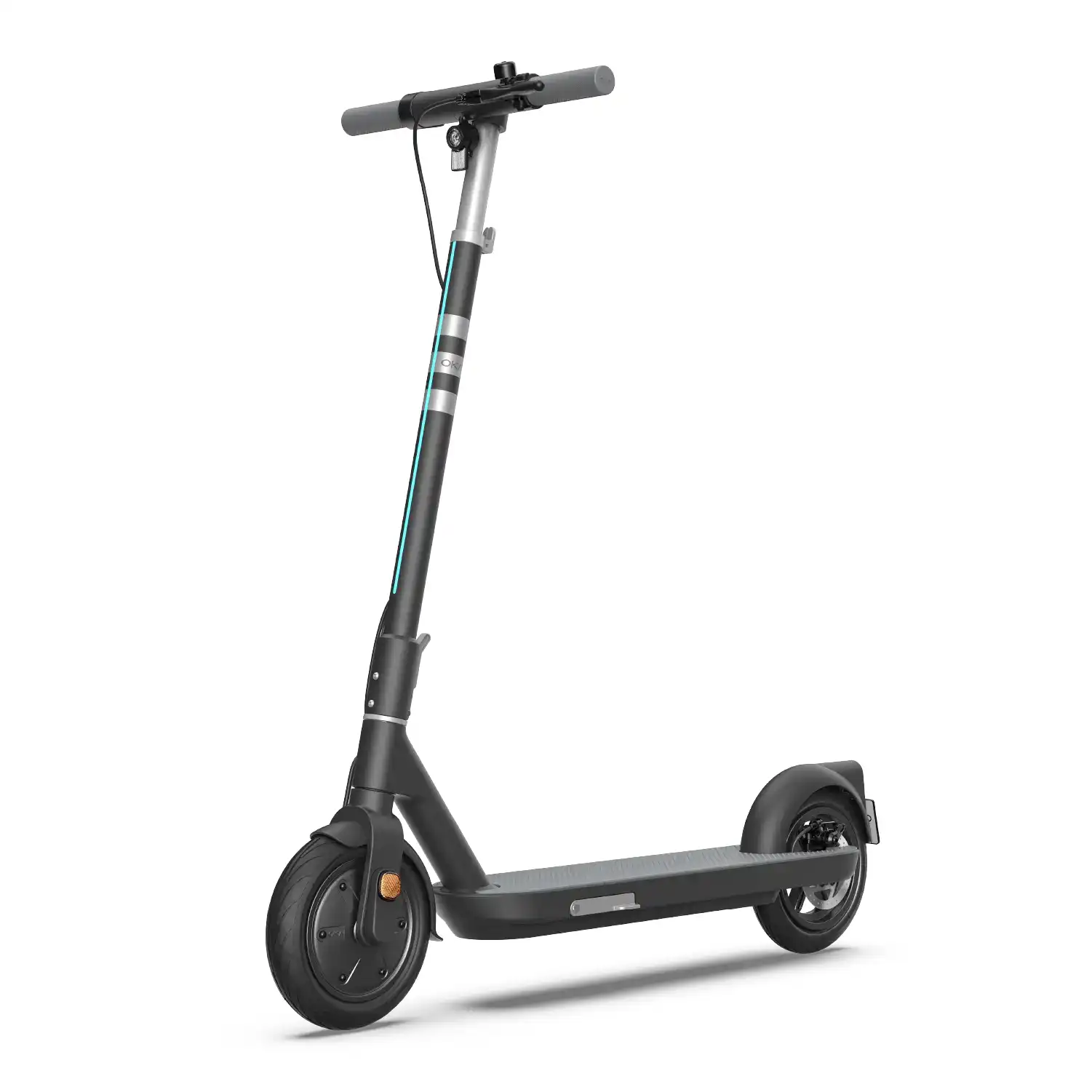
The Costa Rica Formula G3 listing describes an 800W motor, a 48V 10Ah battery, and up to 50 km/h in Turbo mode. Formula publishes two different range figures on the same page: up to 50 km in the summary and 45 km in the technical table. Equipment includes 10-inch pneumatic tires, front and rear suspension, dual disc brakes, lights, turn signals, and a horn.
That is a credible urban package for the price. Pneumatic tires and suspension should isolate rough pavement better than solid-wheel entry models, while turn signals add useful visibility. The public specification does not state whether 800W is nominal or peak power, and it does not explain the 45-versus-50-km range discrepancy, publish torque, test conditions, or an IP rating. Those points should be clarified before buying for steep or wet routes.
G3 800W
₡225,000
observed local price
OKAI ESM4
1600W
published peak power
Both
≈50 km
only under stated conditions
ESM4
50 N·m
official stated torque
G3 data comes from the Formula specification published by CRMotos; verify inventory, warranty and configuration before purchase.
Los números
OKAI ESM4: a heavier all-terrain platform
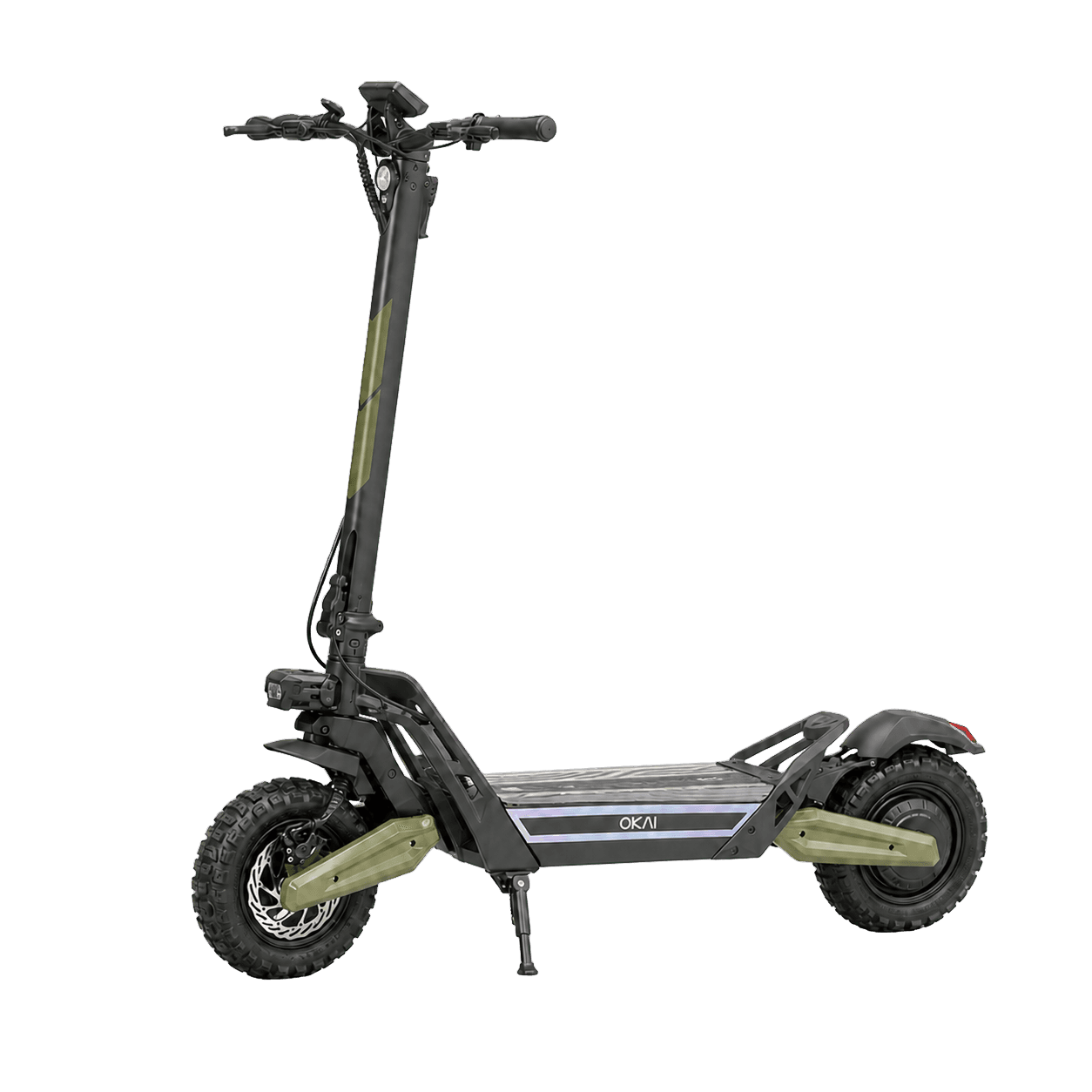
The ESM4 is designed around mixed surfaces rather than maximum portability. OKAI separately documents nominal power, peak power, torque, battery capacity, and water-resistance ratings. Its 11.5-inch pneumatic all-terrain tires and spring suspension at both ends are intended to improve stability on gravel and damaged pavement.
The trade-off is a 30 kg vehicle. That weight may feel reassuring on the road but inconvenient on stairs or when loading a car. A buyer should fold and lift the scooter before ordering. Greater capability has limited value if daily storage makes the vehicle difficult to use.
En cuestas
G3 vs OKAI ESM4 specifications
The table uses the Formula/CRMotos specification for the G3 and OKAI data for the ESM4. A blank or unpublished figure is not treated as proof of poor performance; it simply limits how confidently that performance can be predicted.
Battery capacity is one of the clearest differences. The G3 specification calculates to roughly 480Wh, while the ESM4 lists 624Wh—about 30% more nominal energy. That does not guarantee 30% more distance because speed, weight, terrain, tire pressure, and controller behavior also affect consumption.
Datos verificados
Comparison table
Compara columna por columna. En móvil, desliza horizontalmente para ver todos los datos.
| Specification | Formula G3 | OKAI ESM4 |
|---|---|---|
| Motor | 800W published | 800W nominal · 1600W peak |
| Torque | Not published | 50 N·m |
| Battery | 48V 10Ah · ≈480Wh | 48V 13Ah · 624Wh |
| Maximum speed | Up to 50 km/h in Turbo mode | Up to 55 km/h |
| Published range | 45–50 km depending on page section | Up to 50 km at 25 km/h |
| Tires | 10-inch pneumatic | 11.5-inch all-terrain pneumatic |
| Suspension | Front and rear | Front and rear spring |
| Brakes | Front and rear disc | Front and rear mechanical disc |
| Weight | 26–28 kg published | 30 kg |
| Water protection | No published rating | Vehicle IPX4 · battery IP54 |
| Reference price | ₡225,000 · ≈$494 in dated source | $709.99 before IVA |
En la ruta
Hill performance in Costa Rica
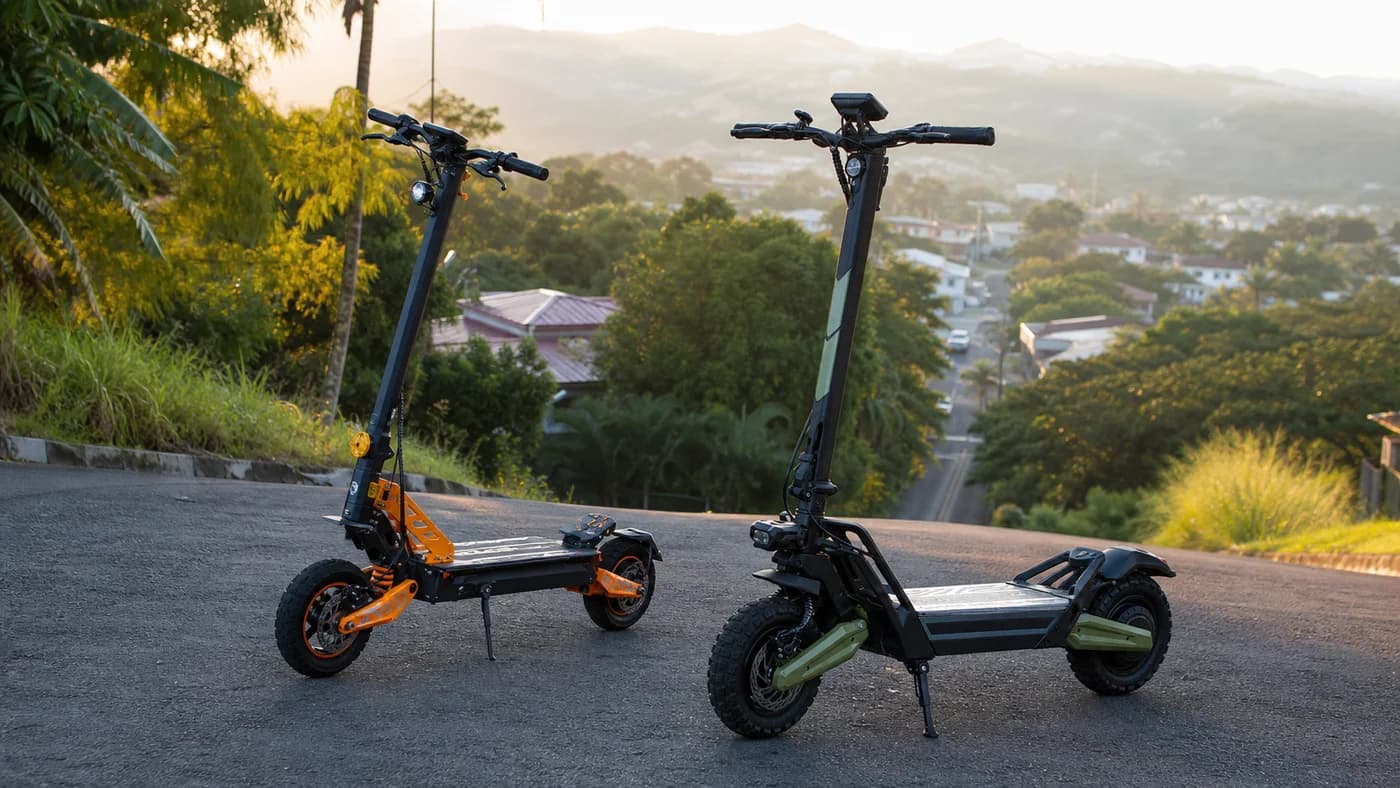
A short route can still be demanding when it includes sustained climbing. Starting torque, controller tuning, battery state, combined load, traction, and climb duration matter more than a single wattage headline. Heat and voltage drop also become relevant after several kilometers.
The ESM4 has the better documented case for hills because its specification separates nominal and peak output, lists torque, and confirms rear-wheel drive. Those figures suggest stronger starts and better speed retention on moderate grades, but they do not prove performance on every hill. The G3 may work well on urban slopes, yet its public data supports a less precise prediction. Test either scooter on a grade comparable to the actual route.
Confort
Real-world range: interpreting the published figures
Published range is normally measured under favorable conditions. OKAI associates the ESM4 maximum with 25 km/h; Formula publishes 50 km in the G3 summary and 45 km in its technical table without explaining the test or discrepancy. Hills, repeated acceleration, wind, load, tire pressure, and high speed can reduce either result substantially.
Daily planning should retain 25–35% reserve, and more on steep routes. A 20 km round trip should not depend on a 20 km real-world limit. The ESM4 begins with more nominal battery capacity, but it is also heavier and capable of higher speed. Its advantage is additional energy headroom, not a fixed mileage promise.
Datos verificados
Comparison table
Compara columna por columna. En móvil, desliza horizontalmente para ver todos los datos.
| Condition | Typical effect | Practical response |
|---|---|---|
| Repeated hills | Higher current and heat | Plan at least 30% reserve |
| High speed | Greater aerodynamic demand | Use a moderate mode on long trips |
| Low tire pressure | More drag and puncture risk | Check weekly |
| Heavier total load | More energy during acceleration | Include bags and equipment |
| Battery aging | Less usable capacity | Do not plan at the limit |
Seguridad
Tires and suspension on Costa Rican roads
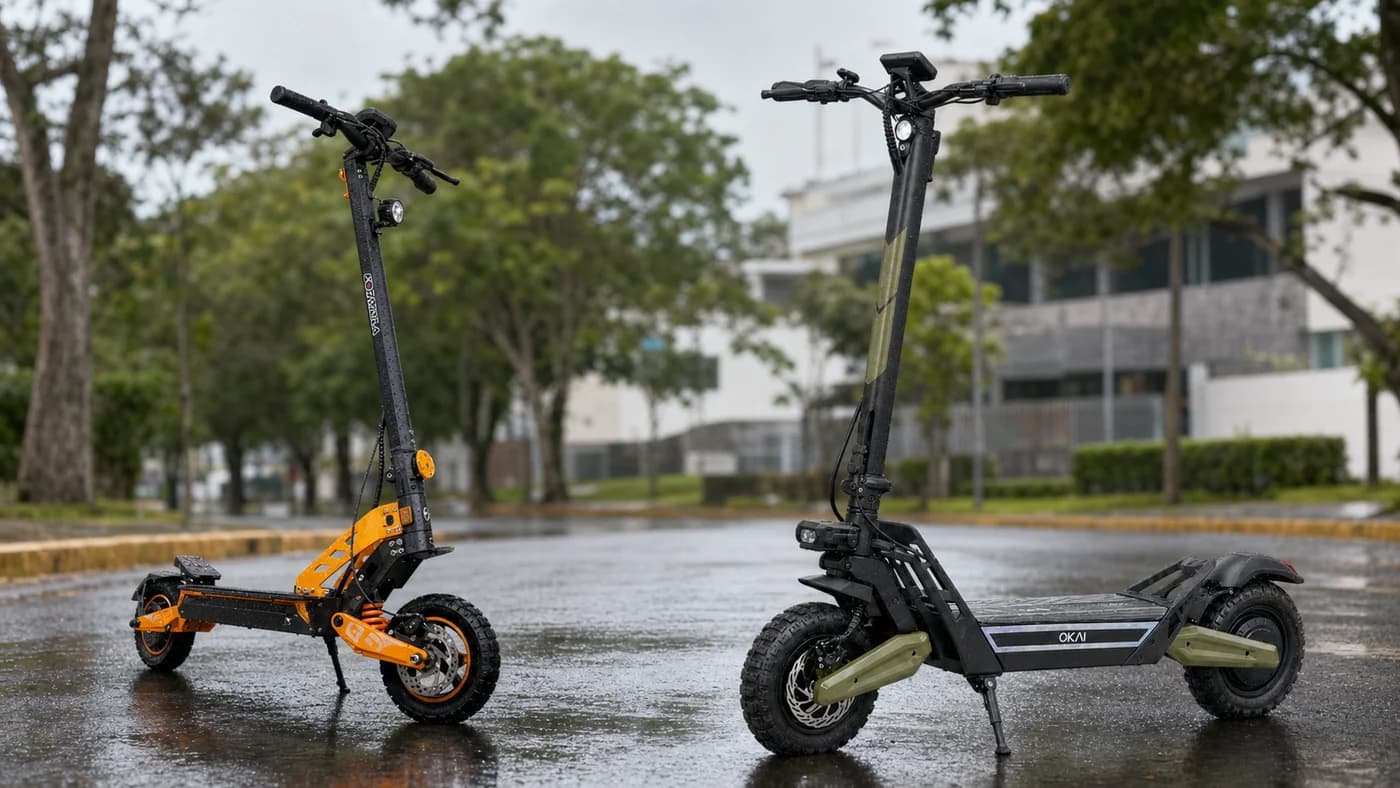
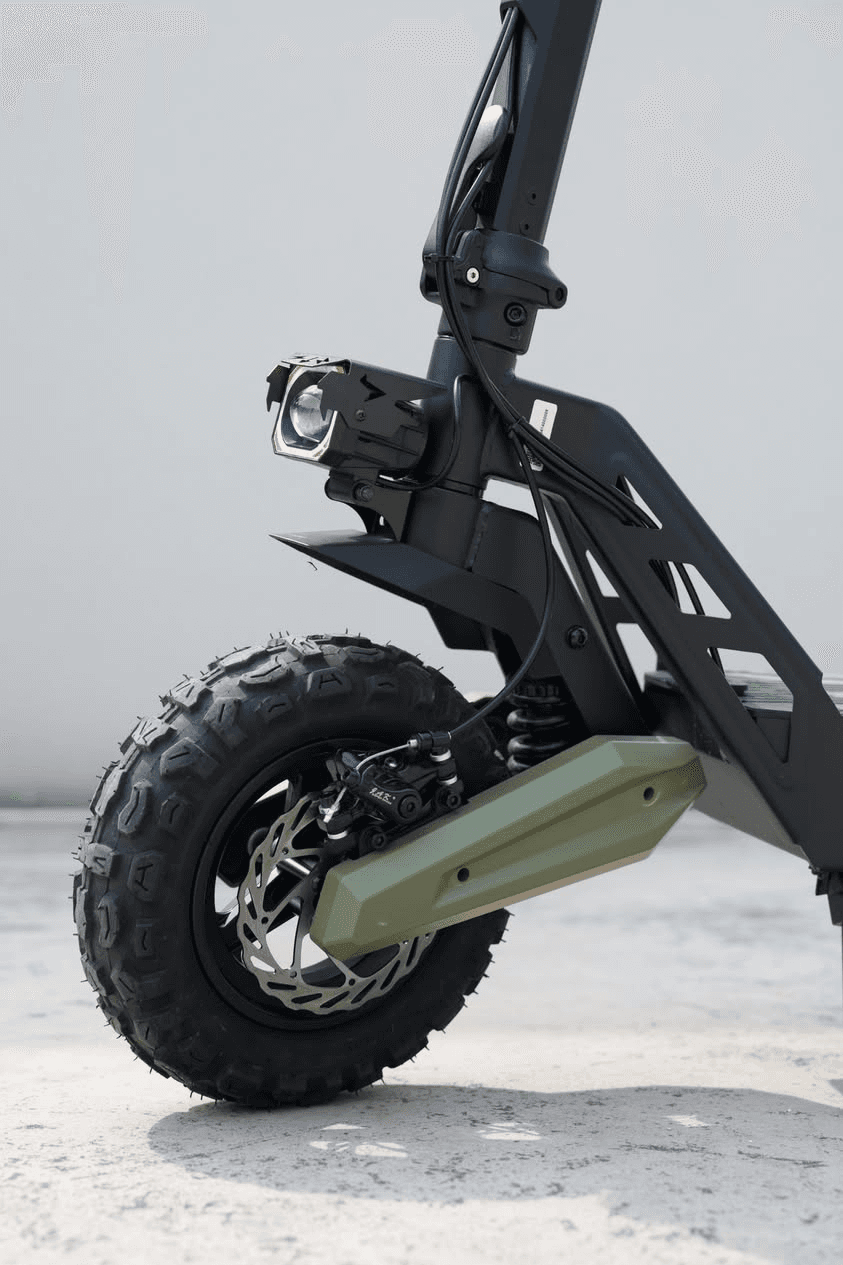
Urban routes can combine smooth asphalt, cracks, drainage channels, metal covers, and short gravel sections. Larger wheels cross sharp surface changes more gradually. The ESM4 therefore has a physical advantage with 11.5-inch tires over the G3’s 10-inch setup.
Both list front and rear suspension. Suspension improves comfort and tire contact but does not make curb jumps safe. The ESM4 tread is better suited to gravel and access roads; the G3 may feel more agile on clean pavement. Before purchase, confirm the exact tire size, tube or tubeless construction, valve type, replacement stock, and labor cost.
En lluvia
Braking, stability, and responsible speed
Both models use front and rear discs, but disc count alone does not reveal stopping distance. Adjustment, pad compound, rotor condition, tire grip, and rider technique determine the outcome. A firm lever, progressive response, and a steering column without play matter more than a marketing label.
The stated top speeds require caution. Capability is not a recommended cruising speed for every street. A small pothole becomes a serious event above typical commuter speeds. A certified helmet, gloves, lighting, and speed appropriate to visibility should be treated as normal ownership costs.
Costo total
Rain, humidity, and coastal use
The ESM4 publishes IPX4 for the vehicle and IP54 for its battery. These ratings describe tested splash resistance, not waterproofing. They do not permit immersion, pressure washing, or charging through a damp port. The G3 listing reviewed does not publish an IP classification, so conservative wet-weather use is appropriate until written documentation is available.
Coastal salt accelerates corrosion on fasteners, rotors, and connectors. Either scooter should be stored under cover, dried after wet rides, and cleaned without directing pressurized water at electrical parts. The ESM4 rating reduces uncertainty, but maintenance remains essential.
Related reading
Caso de uso
Purchase price and cost of ownership
The ESM4 full price is $709.99 before IVA. The G3 figure in this guide comes from a dated third-party listing, so confirm its current price directly. Add tax, delivery, assembly, equipment, servicing and eventual battery replacement when comparing value.
Availability also has economic value. The G3 is advertised in local inventory, while ESM4 delivery should be confirmed. Ask both sellers for component-specific warranty terms and prices for tires, charger, controller, display, brake parts, and battery. A clear support plan can matter more than a small difference at checkout.
Datos verificados
Comparison table
Compara columna por columna. En móvil, desliza horizontalmente para ver todos los datos.
| Ownership factor | Formula G3 | OKAI ESM4 |
|---|---|---|
| Published price | ₡225,000 · ≈$494 in dated source | $709.99 before IVA |
| Availability | Advertised locally | Confirm before ordering |
| Battery capacity | ≈480Wh | 624Wh |
| Parts | Request list and lead times | Confirm stock and lead times with Motion |
| Warranty | Request complete terms | Confirm coverage before payment |
Vida útil
Which scooter fits each rider
The G3 is a sensible candidate for moderate urban travel, immediate delivery, and situations where the scooter must be moved by hand. Its lower published weight is meaningful, although 26–28 kg is still substantial. At the same local price, the ESM4 becomes more compelling when the route benefits from its larger battery, documented torque, tires, and water-protection ratings.
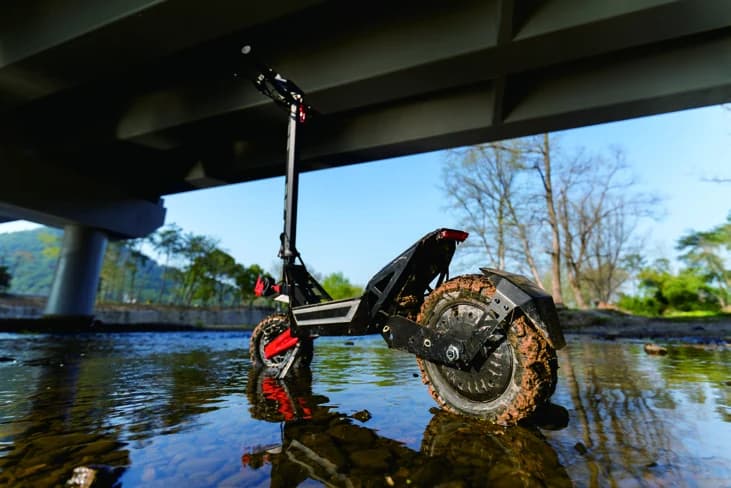
Choose the ESM4 for repeated hills, broken pavement, gravel, or routes that need greater battery reserve. Its drivetrain, battery, wheels, and documented protection form a more coherent package for demanding use. It is the model we would select for the broader range of Costa Rican conditions. For fleets, also evaluate model consistency, parts, speed management, inspection procedures, and downtime.
Respaldo
What has been measured—and what has not
At publication, we found no independent test measuring both scooters with the same rider, route, tire pressure, and weather. This article therefore separates manufacturer data, derived calculations, and editorial interpretation. It does not label an unmeasured estimate as real-world range.
Four comparable measurements remain missing: distance to 10% battery, stopping distance from 25 km/h, sustained speed on a documented grade, and charging time from 10% to 100%. A defensible test should use the same load and settings and repeat each measurement at least three times.
Datos verificados
Comparison table
Compara columna por columna. En móvil, desliza horizontalmente para ver todos los datos.
| Metric | Current evidence | Required protocol |
|---|---|---|
| Real range | No shared independent test | Same loop, rider, mode, and pressure |
| Stopping distance | No comparable published result | Three dry stops from 25 km/h |
| Hill performance | Manufacturer specifications only | Same grade, load, and battery level |
| Charging time | No shared independent timing | 10–100% with included charger |
Antes de comprar
Pre-purchase inspection
Before riding, inspect the folding latch, steering play, brake-lever travel, tires, cables, lights, charging port, serial number, and charger compatibility. The tested unit should match the unit to be delivered.
Begin in the lowest mode. Assess throttle smoothness, low-speed balance, and progressive braking before trying rough pavement or a representative hill. Finish by requesting nominal and peak power, watt-hours, load limit, IP rating, battery and electronics coverage, parts availability, and repair times in writing.
Conclusión
Maintenance and local support
Useful routines are simple: maintain tire pressure, keep brakes aligned, check fasteners and the folding joint, and keep the charging port dry. Do not leave the battery discharged for weeks or charge it while damp. Unusual heat, odor, deformation, or error messages require stopping use and seeking technical advice.
CRMotos and Formula have visible local commercial presence for the G3; buyers should still confirm exact parts and response times. For the ESM4, Motion should specify stock, delivery, warranty, and component availability before accepting an order. Keep the invoice, serial number, delivery photographs, and service history for either model.
Related reading
Comparativa
Editorial conclusion: ESM4 has the stronger overall case
The Formula G3 is a credible urban scooter. It is lighter, well equipped, and advertised as locally available. It may be the better decision when portability or immediate purchase outweighs maximum capability. Its disadvantage here is partly the amount of public technical information, not proof of poor construction.
The ESM4 presents the stronger overall case for Costa Rican routes. Its converted price is lower, and its documented platform is better aligned with hills, uneven surfaces, energy reserve, and changing weather. Our recommendation is clear: between these two models, we would buy the ESM4, subject to delivery, warranty, and support being confirmed.
This conclusion is based on published specifications and reference prices, not a shared long-term road test. We would choose the G3 instead only if ESM4 stock were unavailable or its 30 kg weight were impractical for daily storage. In the remaining use cases, the ESM4 is the more complete and better-value choice.
Related reading
Official OKAI ESM4 video
Official manufacturer video. Real Costa Rica conditions may produce different results.